Aquarium mourns the loss of Ghost, the giant Pacific octopus

Ghost, a giant Pacific octopus, in its habitat at Aquarium of the Pacific on June 6, 2025. Photo Credit: Aquarium of the Pacific

The Aquarium is saddened by the loss of Ghost, the giant Pacific octopus who was beloved by staff, guests, and those who learned about her online. Ghost died on March 24 after entering senescence, the natural end-of-life process after laying eggs. The Aquarium announced Ghost’s senescence online in September 2025. Ghost was resting behind the scenes while animal care and veterinary staff provided her with extra support and care during her senescence.

Ghost arrived at the Aquarium in May 2024, weighing about three pounds at the time. She had grown to over fifty pounds and was estimated to have been between two and four years old at the time of her passing. “We are going to miss her. Ghost left a big impression on us and on so many people, even those beyond our Aquarium,” said Nate Jaros, Aquarium of the Pacific vice president of animal care. “She was spirited and very charismatic and loved to interact with our animal care staff. She was very engaged with the mazes and puzzles our staff created just for her. Ghost had a preference for interacting with her aquarist caregiver, sometimes preferring these interactions over eating. She was especially inquisitive when our staff members would dive in the habitat for maintenance.”

Though senescence is part of the natural life cycle of a female octopus, Ghost’s senescence was a sad time for Aquarium staff, especially for those who formed a bond with her as they cared for her each day. The care has included hand preparing restaurant quality seafood, curating enrichment activities with her in mind, creating thoughtfully designed habitats, state-of-the-art veterinary care, and more. Ghost was a wonderful octopus and made an eight-armed impression on all our hearts. We are grateful for the outpouring of support and care for Ghost. “We hope part of her legacy is raising awareness about octopuses and inspiring people to care for and protect the ocean,” said Jaros.

Giant Pacific octopuses typically live for about two to five years. They tend to spend the majority of their lives alone. Males die within months after mating. After laying tens of thousands of eggs, female giant Pacific octopuses enter senescence. This natural process is the same whether or not the eggs are fertile and cannot be stopped or prevented by relocating the eggs. The giant Pacific octopus ranges throughout the Pacific, from the coasts of Southern California to Japan. Like other species of octopuses, they have special pigment cells called chromatophores in their skin that allow them to change colors and camouflage. With their pigment cells, they can mimic surrounding colors and textures.

Credit: The Aquarium of the Pacific.
Wedge, Jan 23 Pet of the Week

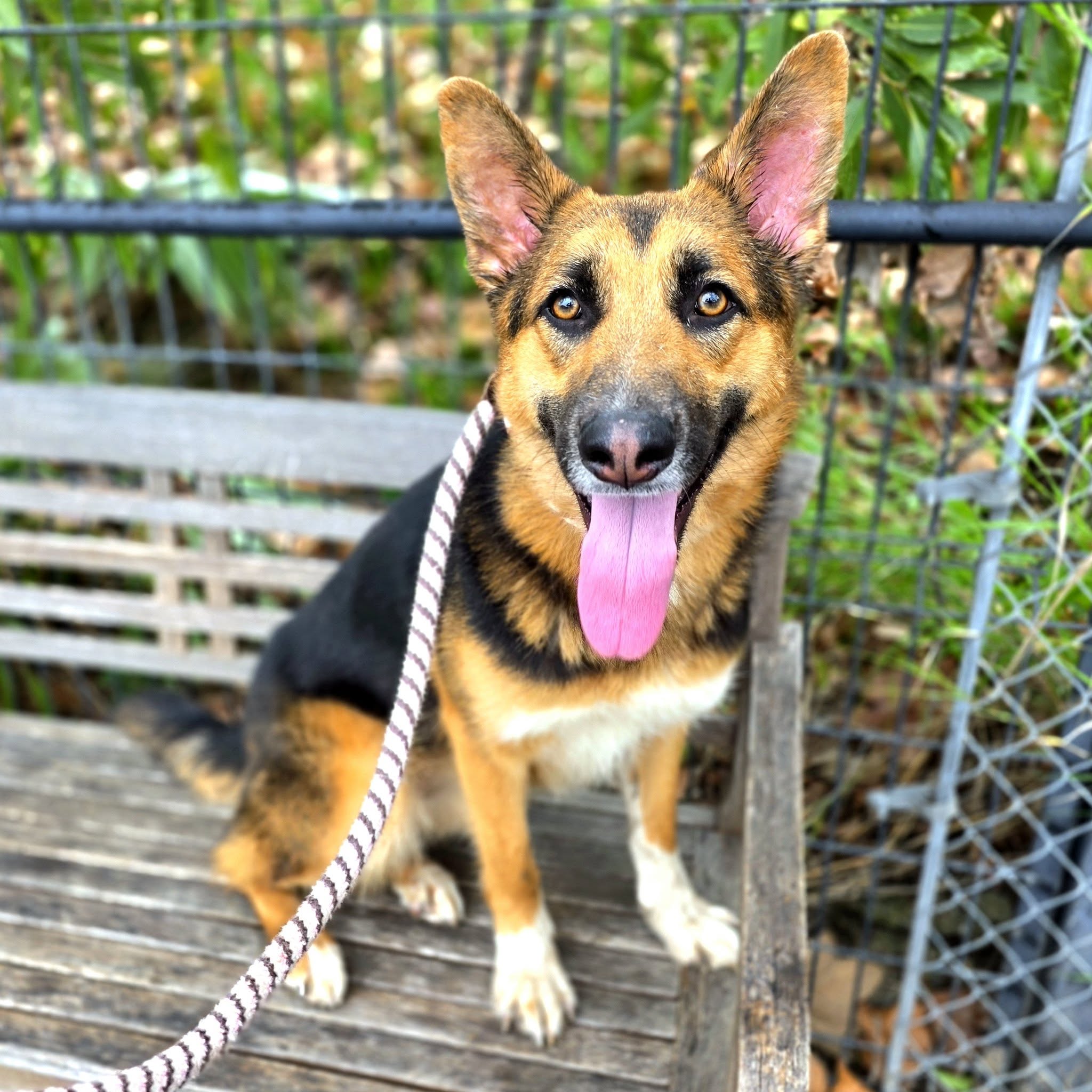
Will ya look at Wedge, all dressed up and ready to play kissy-face in a big way! Wedge’s tongue is as big as his personality — he’s a goofy, playful German shepherd mix just out of puppyhood. The volunteers and staff love him, and he’s had successful meetups with families that included rambunctious children. Wedge really likes kids and other dogs as well! He knows his basic commands, loves to play, and is ready to be the family dog. How about yours? The shelter’s way over capacity with dogs, so speed the process to adopt or foster Wedge or any of our other pets by emailing PetAdopt@longbeach.gov or petfoster@longbeach.gov. You can also call (562) 570-4925. Our shelter hours are Wednesday through Friday from 10 a.m. to 5:30 p.m. and Saturday and Sunday from 10 a.m. to 4 p.m. at 7700 E. Spring St. at the entrance to El Dorado Park (no parking fee for shelter visitors). Ask for ID#A744861.

Diesela, New Year’s Day Pet of the Week

AWWWWW!!!

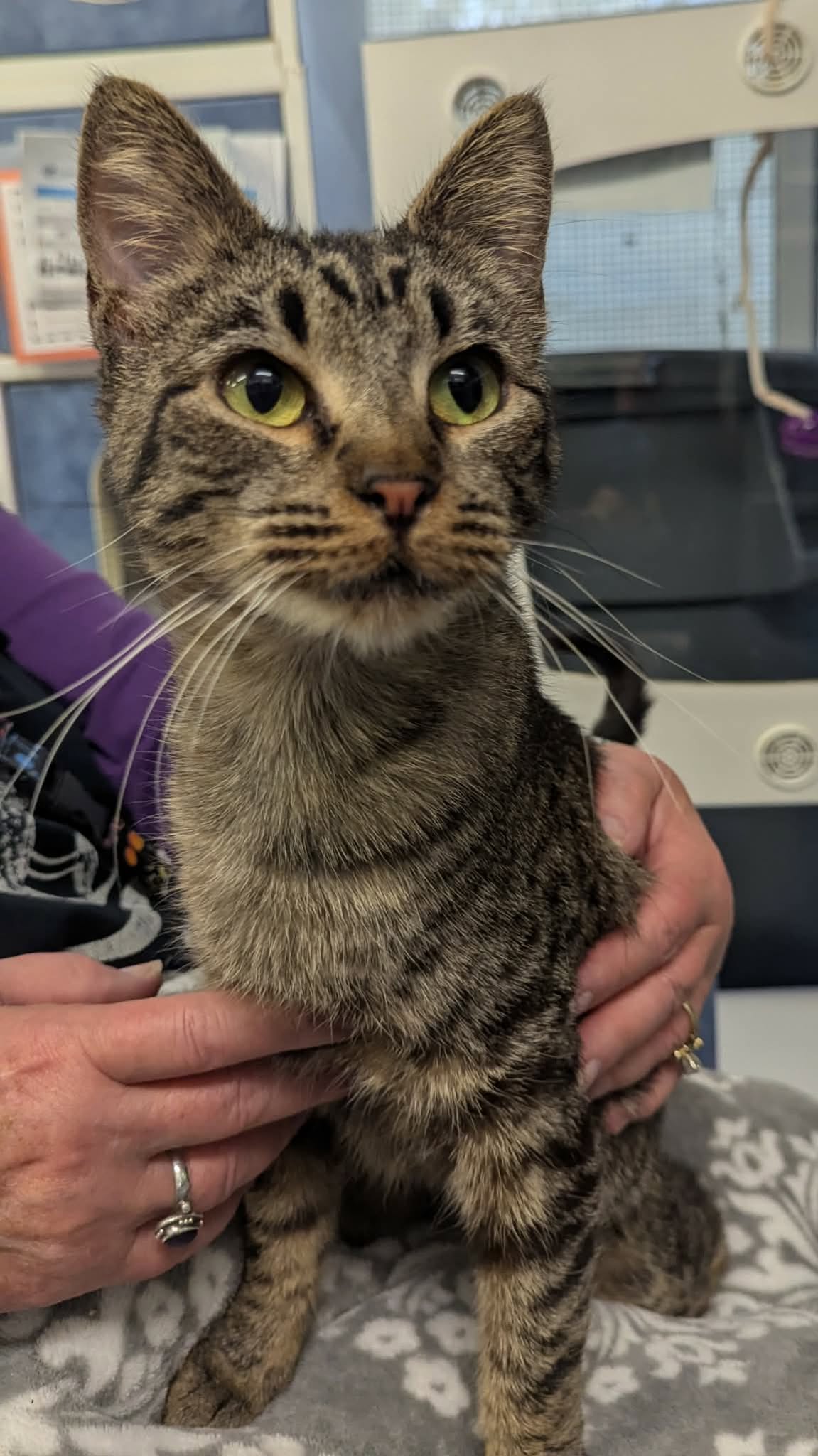
A few weeks ago, Long Beach Animal Care Services took in over 70 cats from a hoarding situation. Diesela, a pretty 2-year-old brown tabby, was one of them. It took her a little while to get used to her new situation—a kennel all to herself and a number of admiring volunteers, staff members and visitors, all wanting to pet her and hold her. She was shy and scared at first, but now, she’ll walk right onto a lap and insist on attention! If you own a lap that’s just asking for a cat, Diesela’s your girl! Make a New Year’s resolution to adopt or foster her! To do that, email PetAdopt@longbeach.gov to speed the process, or call (562) 570-7387. Better yet, meet her in person at Long Beach Animal Care Services, 7700 E. Spring St., Long Beach, at entrance to El Dorado Park (no parking fee for shelter visitors). Visiting hours are Wednesday–Friday, 10 a.m.–5:30 p.m., and Saturday–Sunday, 10 a.m.–4 p.m. Ask for ID#A752258.

Bandit, Dec. 26 Pet of the Week

AWWWWWW!

“Hey, Santy! It’s me, Bandit! I was hoping that you’d ask me to help pull the sleigh this year—huskies are very good at this, you know. But I realized that you knew full well that the minute you stopped at the right home for me, I’d beat you down the chimney or however you get in, curl up under the tree, and refuse to leave.” Bandit’s correct. He’s been kenneled for over a year now, and despite the walks and Fido Field Trip breaks, he’s still there. He’s a good boy—he plays well with other dogs with similar energy and strolls slowly on leash, never pulling the walker along. He’s 5 years old and needs a home with humans familiar with the breed who’ll give him the late holiday gift of a forever and ever home. Speed the process to adopt or foster Bandit or any of our other pets by emailing PetAdopt@longbeach.gov or petfoster@longbeach.gov. You can also call (562) 570-4925. Our shelter hours are Wednesday through Friday from 10 a.m. to 5:30 p.m. and Saturday and Sunday from 10 a.m. to 4 p.m. at 7700 E. Spring St. at the entrance to El Dorado Park (no parking fee for shelter visitors). Ask for ID#A724562.

Stevie, Nov. 28 Pet of the Week

AWWWWWWWW!

November is Adopt a Senior Pet Month, and Stevie would love this to be the season when she can finally curl up on a rug or a bed and feel safe. Stevie is an incredibly sweet, laidback senior cattle dog and German shepherd mix, between 10 and 12 years old. She was picked up, abandoned and alone, on the street. No one came to claim her, and the volunteers have fallen for her. The street is no place for old dogs to spend what should be their golden years, and really, neither is a shelter kennel. How about bringing Granny home for the holidays and inviting her to stay forever? Long Beach Animal Care Services is over capacity with dogs, so speed the process to adopt or foster Stevie or any of our other pets by emailing PetAdopt@longbeach.gov or petfoster@longbeach.gov. You can also call (562) 570-4925. Our shelter hours are Wednesday through Friday from 10 a.m. to 5:30 p.m. and Saturday and Sunday from 10 a.m. to 4 p.m. at 7700 E. Spring St. at the entrance to El Dorado Park (no parking fee for shelter visitors. Ask for ID#A751881.

Spheria, Oct. 17 Pet of the Week

AWWWWWWWWWWW

Trick or Treat! Spheria’s sweet! She would love a meet-and-greet! Senior Spheria’s an extremely friendly Lab who kept straying from her home and winding up at the shelter. The final time, her owner didn’t come for her despite every effort from Long Beach Animal Care Services. The volunteers say she’s a lovely dog, and at 11 years old, she deserves to spend her golden years in a real home with loving people. Could you give her that ultimate treat? Long Beach Animal Care Services is over capacity with dogs, so speed the process to adopt or foster Spheria or any of our other pets by emailing PetAdopt@longbeach.gov or petfoster@longbeach.gov. You can also call (562) 570-4925. Our shelter hours are Wednesday through Friday from 10 a.m. to 5:30 p.m. and Saturday and Sunday from 10 a.m. to 4 p.m. at 7700 E. Spring St. at the entrance to El Dorado Park (no parking fee for shelter visitors). Ask for ID#A594917

NOW OPEN: Dogs! A Science Tail Returns to the California Science Center

Dogs! A Science Tail, a hands-on science exhibition that highlights the unique and dynamic nature of the bond between humans and dogs and enables guests to experience the extraordinary way that dogs see, hear, and smell the world, returns to the California Science Center and is now open. This free, immersive, multisensory, and highly interactive exhibition enables guests to learn first-hand the many ways dogs experience the world around them.

The exhibition demonstrates how science is helping us better understand and communicate with each other, which lies at the heart of the unique relationship between humans and dogs, and what makes this one of the most successful interspecies partnerships of all time. Dogs! A Science Tail was created and developed by the California Science Center in 2019 with support from the Annenberg Foundation and Wallis Annenberg PetSpace. PetSmart Charities®, the leading funder of animal welfare in North America, sponsored the subsequent national tour.

Dogs! A Science Tail explores the powerful connection between dogs and humans, while examining their extraordinary traits and abilities,” said Jeffrey Rudolph, President and CEO of the California Science Center. “There is so much we can learn from dogs—how they restore our calm, strengthen communities, and live up to their title as man’s best friend. This has been a popular exhibition as it has toured the country, and we are delighted to bring it back home to advance our mission to stimulate curiosity and inspire science learning in everyone.”

Guests will be able to explore the world from a dog’s perspective through a variety of hands-on exhibits. Experiences will range from listening to hidden sounds that dogs can hear but humans can’t, excavating replicas of fossils to determine if they belong to wolves or dogs, walking through an interactive neighborhood to understand how pets strengthen the community, or testing your pop-culture knowledge during a game of “Jeopawdy!” based on the show Jeopardy! and hosted by the late Alex Trebek. Guests can also interact with virtual dogs, explore the jobs that dogs and humans undertake together, test their running speeds, and get inside a dog’s head to see and hear like them.

Pets are not permitted inside the Science Center (apart from service dogs*), but guests can share personal digital photos and record stories of their dogs on a digital sharing wall in the exhibition photo gallery.

(*The Science Center welcomes service dogs. In compliance with the Americans with Disabilities Act (ADA), a service dog is defined as one that is individually trained to do work or perform specific tasks for a guest with a disability. Emotional support animals, comfort animals, pets and therapy dogs are not service animals under the ADA and are not permitted in the Science Center. Service dogs must behave in a safe manner and be under control at all times.)

Credit: The California Science Center.

Aquarium helps two green sea turtles, and one is in recovery…

Rescued green sea turtle at Aquarium of the Pacific’s Molina Animal Care Center on March 27, 2025 in Long Beach, California. Photo: Courtesy of the Aquarium of the Pacific.

Aquarium of the Pacific staff were able to free an entangled green sea turtle and rescue another green sea turtle that needed immediate medical attention in early March thanks to a partnership and permit with the National Oceanic and Atmospheric Administration (NOAA) National Marine Fisheries Service’s (NMFS) West Coast Region. Both turtles are estimated to be subadults and were found in distress in the San Gabriel River, where the Aquarium conducts its ongoing Southern California Sea Turtle Monitoring Program. The sea turtle that was rescued was in critical condition and brought to the Aquarium where veterinary experts are trying to save it. The turtle is now in stable condition, had surgery on its injured flipper and also to remove a hook from its throat, and is going through recovery.

Working in partnership with the U.S. Fish and Wildlife Service and the NOAA National Marine Fisheries Service, the Aquarium of the Pacific’s veterinary staff members regularly help to rehabilitate ill or injured sea turtles for release back into the ocean. The Aquarium has cared for turtles since 2000, including green, olive ridley, and loggerhead sea turtles.

All seven of the world’s sea turtle species are endangered. If you see a stranded sea turtle in the San Gabriel River or elsewhere, please call the West Coast Marine Mammal and Sea Turtle Stranding Network 24/7 hotline at: 562-506-4315.

Credit: The Aquarium of the Pacific.