You’ve probably heard about the hot girl walk. The aesthetic, the playlist, the ritualized 45-minute loop around the neighborhood that somehow became the whole personality of a whole group of people on tiktok. And listen, the walk is great. Cardio is great. As is romanticizing the unglamorous routine of scooping dog poop and turning it into something fun. But if you’re looking for your next low-commitment, high-reward way to actually do something meaningful this spring, kitten fostering might be calling to you.
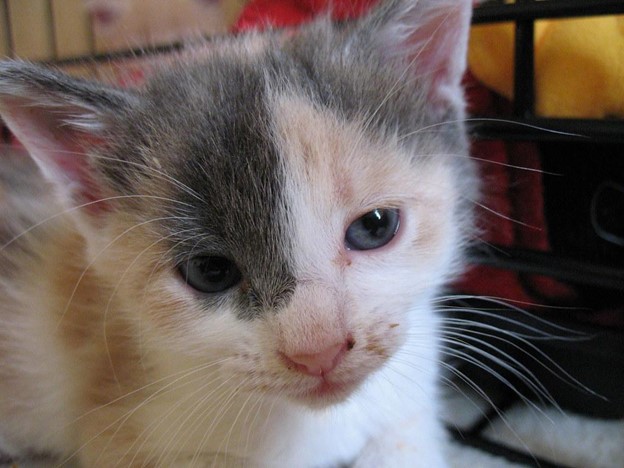
Kitten season runs roughly from April through November across Southern California. That’s when unaltered outdoor and community cats give birth to litters that shelters absorb at a rate their staffing and space genuinely cannot keep up with. The smallest arrivals, like neonatal kittens who aren’t yet eating solid food, are the most vulnerable. Without someone willing to take them home and bottle-feed them, their odds in a public shelter are not good.
Foster volunteers are what stand between those kittens and a very different outcome. If you’ve been on the fence about whether this is something you could actually do, here’s the real picture.
What Kitten Fostering Actually Looks Like
Most people imagine fostering is going to completely change their lives. But in reality, it usually looks like a cardboard box in your bathroom with a tiny creature inside it, sleeping 20 hours a day and waking up to eat. You feed them. You weigh them. You watch their little bellies rise and fall. But mostly, you annoy the living hell out of your relatives with pictures.
Neonatal kittens need bottle feeding every two to three hours in their earliest weeks. That sounds intense, and the first night or two, it is, but by the second week, you will have a rhythm and by the third, the kitten will have a name you swore you weren’t going to give it.
The Commitment Is More Flexible Than You Think
A lot of people hold back on fostering because they believe its going to be this lifetime commitment that demands a lot of space, but that couldn’t be farther from the truth. One of the most common types of fostering is to take a single litter for three weeks and then come back for another. It’s also not unheard of for people to do it once out of curiosity and become long-term volunteers. Some keep their foster cat, which gets called a foster fail, though nobody actually thinks it’s a failure.
And it’s not just kittens, adult cats recovering from illness or injury, waiting for permanent homes, or who just need somewhere quiet to decompress after shelter life need a home too. Placement lengths vary, and good rescue organizations are upfront about what each situation involves before you say yes.
There’s also a harder side of fostering, which is hospice care for cats whose lives would otherwise end in a public shelter, a specific kind of commitment that not everyone is ready for. For those who are, it’s the kind of thing that’s difficult to put into words.
Why Southern California Needs You Right Now
Shelters across Long Beach and North Orange County are already seeing the kitten season surge. The kittens coming in right now are transitioning from a projected problem to a very real one.
The difference between a kitten surviving and not surviving often comes down to what happens in the first few hours. Most people who stumble onto a litter in their yard or near a dumpster have no idea what to do next. Neonatal kittens without a mother need warmth, formula, and someone willing to feed them through the night. A rescue organization can walk you through all of it, but you have to make the call first.
Getting Started With Helen Sanders CatPAWS
Helen Sanders CatPAWS, a Seal Beach-based nonprofit serving LA and Orange County for 16 years, is one of the most accessible entry points for first-time fosters in Southern California. The organization covers food, formula, supplies, and medical care. Their nationally recognized DIY Kitten Kit Program also distributes kits directly through public shelters so community members who find litters can act immediately, with formula, bottles, probiotics, a hot water bottle, and instructions included.
The basic requirements to foster are straightforward. You need to be 18 or older, have reliable transportation, and be willing to bring fosters to veterinary appointments. You keep them separated from household pets for the first two weeks, monitor their health daily, and administer medications when needed. The socialization part, which mostly means playing with kittens, tends to take care of itself.
The learning curve is real. Most first-time fosters will say the first 48 hours are the hardest, and that by week two they couldn’t imagine not doing it again.
Kitten season doesn’t wait. Visit helensanderscatpaws.com to learn more and sign up.
Credit: Helen Sanders CatPAWS and Deborah Felin-Magaldi.





Speak Your Mind