How to Plan a Family Friendly Day on the San Diego Waterfront

A family day on the San Diego waterfront sounds simple enough to plan. Pick a few attractions, find somewhere for lunch, walk along the bay, and leave time for the kids to enjoy the water. The trouble usually starts when families try to fit too much into those few hours.

San Diego’s waterfront covers a lot of ground, and places that look close together on a vacation map do not always belong in the same day’s itinerary. Once you account for parking, walking, meals, attraction times, and the occasional tired child, a packed schedule can turn what should be a relaxing day by the bay into a constant rush from one stop to the next.

Families tend to have a better time when they choose one part of the waterfront and give themselves room to enjoy it. Around downtown, that might mean visiting one major attraction, spending time outside along the Embarcadero, stopping for lunch, and getting onto the bay in the afternoon. On another day, you could forget downtown entirely and head to Mission Bay for swimming, paddling, parks, and a much more recreational experience.

There is plenty for children to notice along the way. Boats move constantly through the harbor, aircraft approach the nearby airport, enormous ships sit along the waterfront, and grassy parks provide somewhere to run around when everyone needs a break from structured sightseeing. Parents get the views they came for without having to drag the family through an endless list of attractions.

Choose One Part of the Waterfront Before You Start

San Diego Bay has a long and varied waterfront. The Port of San Diego manages 34 miles of waterfront around the bay, including 23 public parks spread across several communities. The downtown Embarcadero is the section many visitors know best, but it represents only part of what surrounds the water.

For a family visiting San Diego for the first time, the Embarcadero is usually one of the easiest places to begin. Several major attractions are concentrated nearby, the bay is always in view, and you can mix indoor sightseeing with outdoor time without spending half the day moving the car.

Before leaving the hotel, decide which attraction matters most to your family. That should be the anchor for the day. Everything else can be planned around its location rather than choosing several attractions first and then trying to connect them.

The ages and interests of your children should influence that decision. Some kids can happily spend several hours exploring a museum, while younger children may be ready for fresh air after an hour. Teenagers may care less about playgrounds and more about interesting food, photographs, boats, or getting onto the water. A realistic plan takes those differences into account instead of assuming the whole family will want to move at the same pace.

Start With Your Biggest Attraction While Everyone Has Energy

If you are staying around the downtown waterfront, morning is a sensible time for the most structured part of the day.

The USS Midway Museum and the Maritime Museum of San Diego are two of the best known attractions along this stretch of the harbor. Families interested in ships, aircraft, naval history, or maritime history could spend a substantial amount of time at either one. Trying to give both a thorough visit on the same day, especially with younger children, can make the morning feel rushed.

Choose the one that best matches your family’s interests and let the visit take as long as it needs to take. If everyone finishes earlier than expected, you have gained free time rather than created a problem.

There is also plenty to see outside the museums. Walking along the Embarcadero puts children close to an active harbor where sightseeing vessels, working boats, recreational craft, and historic ships all share the waterfront. Even the walk between stops has enough movement to hold a child’s attention for a while.

Once the museum visit is over, the rest of the day can be much looser. Lunch, a park break, time on the bay, or an easy walk can follow without another long indoor visit immediately afterward.

Build in Time When Nobody Has to Sightsee

Adults can stand beside the bay and admire the view for quite a while. Most children have a shorter relationship with scenic overlooks. They might watch a boat for a minute, ask a question about it, and then immediately start looking for somewhere to move.

That is why the waterfront parks are so useful during a family day.

Embarcadero Marina Park North covers about 8.5 acres and includes open green space, waterfront promenades, picnic tables, restrooms, drinking fountains, bike facilities, and areas where families can simply sit for a while. Embarcadero Marina Park South, near the Convention Center and The Rady Shell, has additional waterfront space along with basketball courts, exercise stations, picnic areas, restrooms, and a fishing pier.

Neither park needs to become another attraction on the itinerary. Children can move around after spending time indoors, parents can sit down or reorganize whatever they are carrying, and everyone gets a break from lines, exhibits, and scheduled activities.

Parents rarely put park time on the itinerary, but an hour with nowhere else to be can make the afternoon much easier. If the kids are happy watching boats or running around on the grass, there is little reason to rush them somewhere else.

Keep Lunch Close to Whatever Comes Next

San Diego has enough good restaurants that it is easy to overthink lunch. On a family waterfront day, location and timing often matter more than finding the most talked about restaurant in town.

If you are staying around the central waterfront, there are options around the Embarcadero and Seaport Village, along with restaurants in nearby downtown areas. Pick somewhere that makes sense for the next part of the day rather than sending everyone across town because a particular restaurant appeared on a travel list.

Try to eat before the children reach the point where every decision becomes difficult. A few snacks in the family bag are useful even when lunch is already planned, especially if you encounter a wait or spend longer than expected at the morning attraction.

Lunch is also a good time to see how everyone is doing before committing to the afternoon plan. If the kids still have plenty of energy, continue with what you had planned. If the morning was tiring, there is nothing wrong with dropping a minor stop and choosing something easier.

Spend Part of the Afternoon on the Bay

After a morning of walking, an afternoon on the water can change the pace without bringing the sightseeing to an end.

From a boat, children still have plenty to watch. The downtown skyline shifts as you move across the bay, sailboats pass in different directions, Coronado sits across the water, and larger vessels make the scale of the harbor much easier to understand. Parents also get a chance to sit down for a while instead of leading the family through another long walking route.

The right outing depends on your children. Before booking, check the trip length, departure location, restroom situation, shade, food and drink rules, and any age requirements that may apply. Those practical details can matter much more to a family than how many landmarks appear on a tour description.

Families comparing options for a san diego bay tour may come across local operators such as Tiki Time Bay Tours, which runs public and private outings on San Diego Bay. Its current FAQ also lists discounted rates for children. It is one of several ways to get onto the bay, so compare the length, schedule, departure point, and current policies of different trips before deciding which one suits your family.

A boat trip often works well after lunch, especially if the morning involves a lot of walking. Once you are back on land, you can see how much energy everyone has left before making any further plans.

Give Kids Something to Look For

San Diego Bay already provides plenty of entertainment if children know where to direct their attention.

Young kids can count sailboats, watch for seabirds, look for aircraft approaching San Diego International Airport, or see how many different kinds of boats they can identify. Older children might become interested in the Navy presence, historic ships, commercial activity around the harbor, or how different the skyline looks from various points along the water.

You do not need to turn this into a formal scavenger hunt. Ask which boat looks fastest, see who spots the Coronado Bridge first, or let the kids guess where a vessel might be heading. A few simple questions can keep children interested without turning the walk into another organized activity.

Decide Whether Coronado Belongs in This Day

Coronado is close enough to downtown that visitors often assume they should automatically add it to a waterfront itinerary. Sometimes that works beautifully. Sometimes it creates an extra journey that the family did not really need.

The ferry is one way to cross San Diego Bay without driving across the bridge, and the waterfront around Coronado Ferry Landing provides views back toward downtown. Coronado Tidelands Park is another useful family stop, with open waterfront space, a playground, a small beach, picnic areas, and a scenic bike path that runs along the waterfront.

If your family wants to explore Coronado’s beaches, shops, restaurants, and other attractions properly, consider giving the island its own half day or longer. There is little advantage in racing across the bay simply to say you visited.

Families with a lighter schedule can make Coronado part of the waterfront day, particularly if the ferry itself appeals to the children. Those with a museum, lunch, and a longer boat outing already planned may be happier enjoying the view of Coronado from across the bay and saving the island for another day.

Mission Bay Is a Different Kind of Family Day

San Diego Bay and Mission Bay can sound interchangeable when you are planning from home, but they make for very different family days.

San Diego Bay works especially well for sightseeing. The downtown waterfront, historic ships, harbor activity, Coronado views, and boat outings can all become part of the same day.

Mission Bay is much more recreation focused. Mission Bay Park covers more than 4,200 acres, with roughly equal amounts of land and water and about 27 miles of shoreline. The area has designated swimming areas, beaches, playgrounds, walking and cycling routes, boat docks, launching facilities, and opportunities for boating and other water activities.

Families whose children would rather swim, paddle, ride bikes, play outside, or spend several hours around a beach may prefer Mission Bay to a day of downtown sightseeing.

There is no reason to force both bays into the same itinerary. If you have several days in San Diego, treating them as separate experiences gives everyone more time to enjoy what each area does well. One day can focus on the harbor and city waterfront, while another can be reserved for swimming, paddling, parks, and outdoor recreation around Mission Bay.

Local Tips for a Smoother Family Waterfront Day

A little planning can prevent many of the small frustrations that make sightseeing with children harder than it needs to be. These are the details worth sorting out before you head toward the water:

  • Stay in one general area for several hours. Jumping between the Embarcadero, Mission Bay, Point Loma, and Coronado may look manageable on a map, but parking and travel time quickly add up. Group nearby activities together and save another part of the waterfront for a different day.
  • Choose the attraction that matters most. If the family really wants to visit the USS Midway or spend time on the bay, make that the priority. Keep the rest flexible enough that dropping one smaller stop does not ruin the day.
  • Use parks as actual breaks. Do not fill every open hour with another attraction. A waterfront park gives children space to move and adults somewhere to sit without leaving the area.
  • Check your boat departure point before choosing lunch. San Diego’s waterfront stretches farther than many first time visitors expect. Eating near the next activity can save an unnecessary drive or a rushed walk later.
  • Keep the final few hours flexible. Late afternoon is usually when families discover how much energy everyone really has left. Leave yourself the option of a park, an easy walk, an early dinner, or simply heading back to the hotel.
  • Check current information on the morning of your visit. Attraction hours, boat schedules, waterfront events, parking conditions, and park access can change. A quick check before leaving can save a frustrating detour later.

Good planning should make the day easier, not make the itinerary stricter. If something is going well, give it another half hour. If everyone is tired, move on or call it a day.

Pack for Several Hours Beside the Water

San Diego’s reputation for pleasant weather can make visitors surprisingly casual about preparing for a long day outdoors. Conditions near the water deserve a little more thought.

Sunscreen, hats, drinking water, and comfortable walking shoes are sensible basics. A light layer is also worth carrying, particularly if you will be on a boat or staying around the waterfront later in the day. The temperature may feel comfortable when you leave the hotel, but breeze and shade can make conditions feel different beside the bay.

Parents of younger children may want to pack a simple change of clothes. Drinks spill, children find water when you least expect them to, and an extra shirt or pair of shorts takes up far less space than dealing with an uncomfortable child for the rest of the afternoon.

At the same time, avoid carrying more than you realistically need. Large family bags become annoying when you are walking between attractions, boarding boats, managing a stroller, or trying to keep track of several children. Pack for the likely problems rather than every possible problem.

Think About Parking Before Everyone Is in the Car

Parking rarely makes the exciting part of a vacation plan, but it can have an outsized effect on a family day.

If most of your activities are around the Embarcadero, parking once and exploring the area on foot may be easier than repeatedly returning to the car. Paid parking is available around portions of the waterfront, including near Embarcadero Marina Park North and South, although families should check current rates, hours, and restrictions before relying on a particular lot.

Think about where you will finish the day too. A parking space that feels perfectly convenient in the morning can seem considerably farther away after several hours of walking with a tired child. If you are bringing a stroller, look at the route between parking, your main attraction, lunch, and any boat departure point before you arrive. Cutting out an unnecessary walk can make a noticeable difference later in the afternoon.

Let Different Ages Have Different Versions of the Same Day

A four year old, a teenager, and a grandparent are unlikely to enjoy the waterfront in exactly the same way.

A younger child may be fascinated by boats pulling away from a dock while a teenager cares more about taking photographs or finding somewhere interesting to eat. Parents may want time to appreciate the skyline, while grandparents traveling with the family may prefer regular opportunities to sit down.

The San Diego waterfront works well for this kind of mixed group because activities do not have to be complicated. Some family members can spend longer inside a museum while others enjoy a nearby park. Everyone can meet for lunch and spend the next part of the day together.

Pay attention when something unexpectedly catches a child’s interest. If they want to spend another fifteen minutes watching boats or looking at a historic ship from the promenade, there is usually no reason to hurry them along simply because another minor stop appears on the itinerary.

Make Late Afternoon the Easiest Part of the Day

By late afternoon, even a well planned family day can start to lose momentum. Children are tired, adults have been making decisions for hours, and another major attraction may suddenly sound much less appealing than it did that morning.

Leave this part of the day relatively open.

Seaport Village can be an easy place to walk around if the family still wants to stay near the water. A park works if the kids need room to move. You can find a snack, sit somewhere with a view, head toward an early dinner, or return to the hotel if everyone has had enough.

If the family still has plenty of energy, you can always keep exploring. Leaving an hour or two open simply means you can make that decision based on how everyone feels rather than a schedule you created before the trip.

Children also tend to remember unexpected parts of a vacation. It might be the huge ship they stood beside, a bird diving into the water, a boat moving through the harbor, an ice cream near the waterfront, or half an hour spent playing outside. Leaving some space in the day gives those moments a chance to happen.

Leave a Little of the Waterfront for Next Time

There is enough around San Diego Bay to fill several family outings, and trying to cover all of it in one day usually means spending less time enjoying each place.

For a first visit, one good attraction, some unhurried time along the waterfront, lunch, and an afternoon activity can already make a full day. If Coronado feels like too much, save it. If the kids would rather stay at the park than make another stop, stay at the park. Mission Bay can have its own day instead of becoming another destination to squeeze in before dinner.

By the time you leave, the family may remember only a handful of things clearly. That is fine. A favorite ship, an afternoon on the bay, the view across to Coronado, or an unexpected hour watching boats can say more about a day in San Diego than a long list of attractions everyone was too tired to enjoy.


Aquarium invites SoCal higher education students to apply to its CELP Scholar Program

CELP Scholar 2026 Cohort Announcement at Aquarium of the Pacific on Saturday, March 14, 2026 in Long Beach, California. Photo Credit: The Aquarium of the Pacific.

Students currently enrolled in a community college, undergraduate, masters, or PhD program in Southern California are invited to apply for the 2027 cohort of the Aquarium of the Pacific’s Community, Equity, Learning, and Persistence (CELP) Scholar Program. The program provides both individual networking opportunities and community building events for students studying science, technology, engineering, and mathematics (STEM) fields related to the ocean. 

Applications are now open and are due by 5:00 p.m. on October 20, 2026. Recipients will each receive $10,000 to support their continued persistence in the field. Throughout the year, CELP Scholars are invited to participate in Aquarium programs to explore career paths, engage in professional development sessions facilitated by alumni, join a growing community of scholars who gather online and in-person, receive a quarterly e-newsletter, and present at the annual Scholar Symposium in fall 2027. 

“Our CELP Scholars get to lean on the Aquarium to meet professionals, gain skills, and explore new aspects of marine science,” said Jennie Dean, vice president of conservation and policy. “Not only are they exploring individual interests, CELP Scholars contribute to a supportive community of peers who celebrate and encourage each other. It is truly inspiring to see the scholars grow and learn from us and each other.” 

The Aquarium’s CELP Scholar Program seeks to broaden participation in marine sciences, help more students find their own community in STEM, and support students’ persistence in the field. With this program, the Aquarium looks to bring a greater variety of lived experiences to the challenge of ensuring a healthy and sustainable ocean for everyone. “Being a part of CELP has lifted my confidence in myself as a person and as a future scientist. I hope to apply the experiences, perspectives, and other learning goals to my life,” said Elias Zamora, CELP Scholar Program alum. 

The Aquarium plans to announce the 2027 cohort of CELP Scholars in March 2027. To qualify, students must be enrolled in a Southern California school through December 2027 and commit to active participation in the program. An information session will be held virtually on September 29, 2026, and will be recorded for those unable to attend and available to view online. For additional information about eligibility and the application process or to apply, please visit the CELP Scholars webpage. Students who identify as a member of groups that have been historically underrepresented in STEM, marine science, and conservation fields are strongly encouraged to apply. Applicants of any race, color, religion, gender, gender identity or expression, sexual orientation, national origin, genetics, age, disability, or veteran status are welcome. 

The CELP Scholar Program is supported by contributions. For the 2026 Long Beach Gives campaign, the Aquarium is fundraising for the CELP Scholar Program with support from an anonymous donor who will be matching donations up to $10,000. The public can have their impact doubled by giving online September 17-24 on their website here. Donations are also accepted year-round on the giving page here.

AQUARIUM:  The non-profit Aquarium of the Pacific is dedicated to world-class conservation, outstanding animal welfare, and connecting people to nature through more than 12,000 animals and one hundred exhibits including Jelly Dreamscapes. In addition to its public education programs for all ages, the Aquarium is involved in numerous conservation efforts, including breeding endangered animals for release, rehabilitating rescued species, community science programs, and more. The Aquarium is home to the only sea turtle rehabilitation program in Greater Los Angeles. To make a donation to help support the Aquarium, please visit the donation webpage. To visit, reservations are required and can be made at aquariumofpacific.org or by calling (562) 590-3100.

Credit: The Aquarium of the Pacific.

Celebrate KIDS FIRST! 35th Anniversary (And Win a Trip to Portugal!)

For 35 years, KIDS FIRST! has helped parents and educators navigate youth media. From honest reviews to red-carpet interviews by our 65 youth reporters, we empower families to make informed media choices.

To celebrate our official 35th Anniversary on September 26, we’re giving back to the supporters who make our mission possible.

Donate by September 26 for 35th Anniversary Perks:

·         Donate Any Amount: Automatically enters you into our Grand Sweepstakes!

·         Donate $25 or More: Unlocks exclusive KIDS FIRST! supporter rewards plus your sweepstakes entries.

·         Anniversary Early Bird Incentive: Give by September 26 to join our special 35th Anniversary Celebration list! (Campaign runs through October 17).

Sweepstakes Prizes Include:

·         Grand Prize: A trip for two to Portugal!

·         Featured Prize: An afternoon visit with legendary ventriloquist Mallory Lewis and Lamb Chop.

·         Plus: Additional runner-up prizes and rewards!

👉 Donate Before Sept 26 & Enter the Sweepstakes

No purchase or donation necessary to enter or win. A donation does not increase your chances of winning. Campaign ends October 17. See Official Rules for free entry details.

Credit: KIDS FIRST!

Aquarium releases critically endangered frogs into local mountains, marking its 1000th released

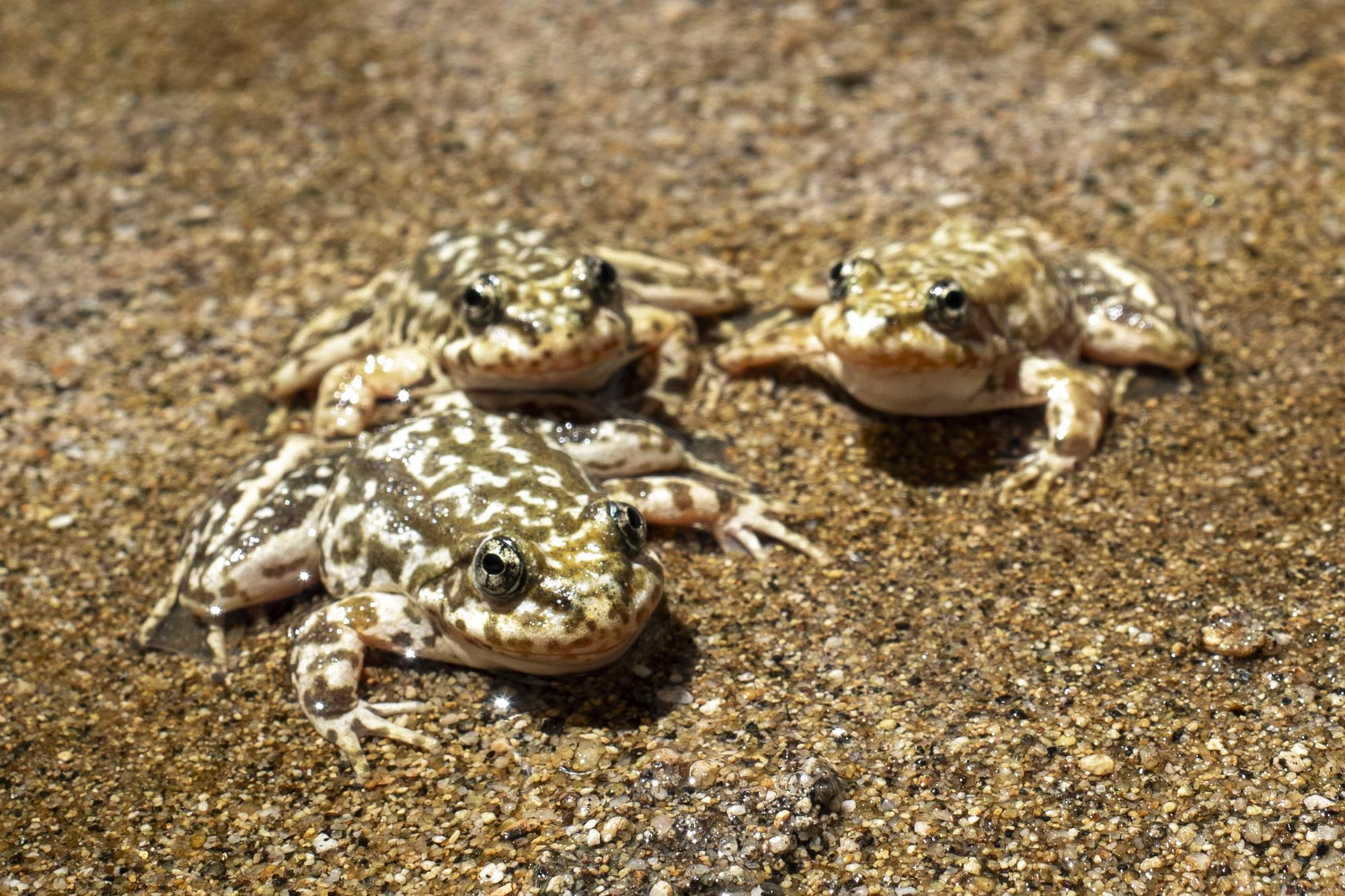
Recently released mountain yellow-legged frogs rest in a stream in the San Gabriel Mountains after being raised and released by the Aquarium of the Pacific into their native habitat August 19, 2026. Credit: The Aquarium of the Pacific.

Approximately 653 critically endangered southern mountain yellow-legged frogs (Rana muscosa) were recently released into their native California mountain region habitat by staff from the Aquarium of the Pacific, Los Angeles Zoo, and U.S. Geological Survey (USGS). Of the 653 frogs that were released, 394 were headstarted at the Aquarium of the Pacific, marking the Aquarium’s largest release of this species. The tadpoles were produced at the Los Angeles Zoo’s southern mountain-yellow legged frog breeding program and transferred to the Aquarium of the Pacific, where animal care staff reared them through metamorphosis to froglets and frogs. This release brings the total number of this species that the Aquarium has helped rear and release to 1,032.

“We have been looking forward to releasing this cohort of frogs back into the wild,” said Erin Lundy, the Aquarium’s conservation initiatives manager. “The more frogs there are in their native habitat, the more of a chance we have to increase their survival.”

Southern mountain yellow-legged frogs are native to the San Gabriel, San Bernardino, and San Jacinto mountains. They are a medium-sized amphibian, measuring between 1.5 and 3.25 inches on average. Adult frogs are a mix of brown and yellow coloring, but can also be gray, red, or greenish brown. They usually have dark spots or splotches that can look like lichen or moss and help the frog camouflage. The belly and underside of its back legs and sometimes front legs are yellow or light orange, which lends itself to the frog’s common name, “yellow-legged.”

In response to the 2020 Bobcat Fire, which burned most of the remaining habitat for the endangered southern mountain yellow-legged frog, the Aquarium of the Pacific joined efforts with local zoos and government agencies to rescue southern mountain yellow-legged frogs and aid in their recovery. Partners include the United States Geological Survey (USGS), U.S. Fish and Wildlife Service (USFWS), U.S. Forest Service (USFS), and the California Department of Fish and Wildlife (CDFW) who help monitor and oversee releases, and the Los Angeles Zoo, which successfully breeds the frogs to produce offspring for release into the wild.

The rescue program is designed to bolster populations in the wild in an effort to save this species from extinction. The Aquarium serves as a nursery to care for and raise tadpoles into frogs and froglets until they are ready for release, which typically takes one to two years. To help southern mountain yellow-legged frogs recover, the public can support this conservation effort by staying on marked trails and paths, respecting signs announcing off-limits areas when visiting local mountains, and reducing your carbon footprint.

Credit: The Aquarium of the Pacific.

Aquarium Helps Nearly 500 Trafficked Animals After Recent Seizure By Wildlife Officials

Pictured: Confiscated animals behind the scenes
Photo Credit: Aquarium of the Pacific

The Aquarium of the Pacific provided immediate help by taking in nearly 500 animals, including endangered and near threatened species, after a large seizure by wildlife officials. Animals included marine fish, invertebrates, and sharks. The animals arrived at the Aquarium on June 19, 2026, and staff worked through the night to stabilize them, acclimate them in specialized behind-the-scenes aquarium systems, and to provide them with the highest standard of care without delay.

“Wildlife trafficking disrupts national and global ecosystems and puts animals on the path to extinction,” said Jeff Flocken, president and CEO of the Aquarium of the Pacific. “We are proud to answer the call to help trafficked wildlife and are committed to providing immediate care and a sanctuary for all of those that we can help.”

The Association of Zoos and Aquariums (AZA) Wildlife Confiscations Network (the Network), which includes the Aquarium of the Pacific, was notified by wildlife officials of a box truck filled with over two thousand animals, including fish, aquatic invertebrates, reptiles, and amphibians that were confiscated. The Aquarium of the Pacific immediately responded, taking sensitive fish and aquatic invertebrates involved in the seizure.

“We monitor all animals arriving to the Aquarium very closely in quarantine areas where we can provide them immediate care and prevent any potential spread of diseases, especially in an urgent situation like this,” said Alyssa Tillman, assistant curator of fish and invertebrates. Some of the species that were rescued and brought to the Aquarium of the Pacific for care include brownbanded bamboo sharks (a near threatened species on the International Union for Conservation of Nature’s Red List), ocellaris clownfish (one of the most popular pet trade fishes), and Banggai cardinalfish (an endangered species on the Red List).

Confiscated animals are typically unable to return to nature because law enforcement cannot determine where the animals were collected from, they may be unfit for survival in nature after living in human care, or there are other factors that prevent their release. Trafficked wildlife is often captured and transported in inhumane conditions, with many animals dying during their journey from the wild into the hands of a buyer. Wildlife trafficking has become one of the largest illegal trades, growing rapidly online and becoming pervasive, including buyers and sellers in the United States.

The Aquarium of the Pacific is one of the founding organizations in the Southern California Wildlife Confiscations Network (SCWCN), a partnership that launched in 2023 between U.S. Fish and Wildlife Service and animal care partners in the region. The Aquarium is also on the vetting committee as part of the process of adding new organizations to the SCWCN, which provides a coordinated system to help ensure the care and welfare of confiscated wildlife. This network operates under the Wildlife Trafficking Alliance, which is a national program from AZA. Since it joined the network, the Aquarium of the Pacific has helped more than 3,300 trafficked animals, including axolotls, corals, reptiles, and fish. In 2026, the Aquarium received grant funding for renovations and upgrades to existing holding and construction of new holding systems to expand its capacity to take in confiscated animals. This funding was provided by the U.S. Fish and Wildlife Service to AZA to execute the American Rescue Plan Act funding. You can support the Aquarium’s ongoing and critical work in helping confiscated wildlife by giving to the Rescue and Recovery Fund.

There are actions the public can take to avoid wildlife trafficking of exotic pets. Research the protected status of the species and make your purchase through a reputable vendor. If the vendor cannot provide proof of where the animal came from, refrain from purchasing it. If you suspect that someone is trafficking wildlife, contact the U.S. Fish and Wildlife Service tip line online or by calling 1-844-FWS-TIPS.

Credit: The Aquarium of the Pacific.

New QM Cares Merchandise Collection Gives Queen Mary Visitors a Way to Give Back as the Ship Celebrates a Year of Community Impact

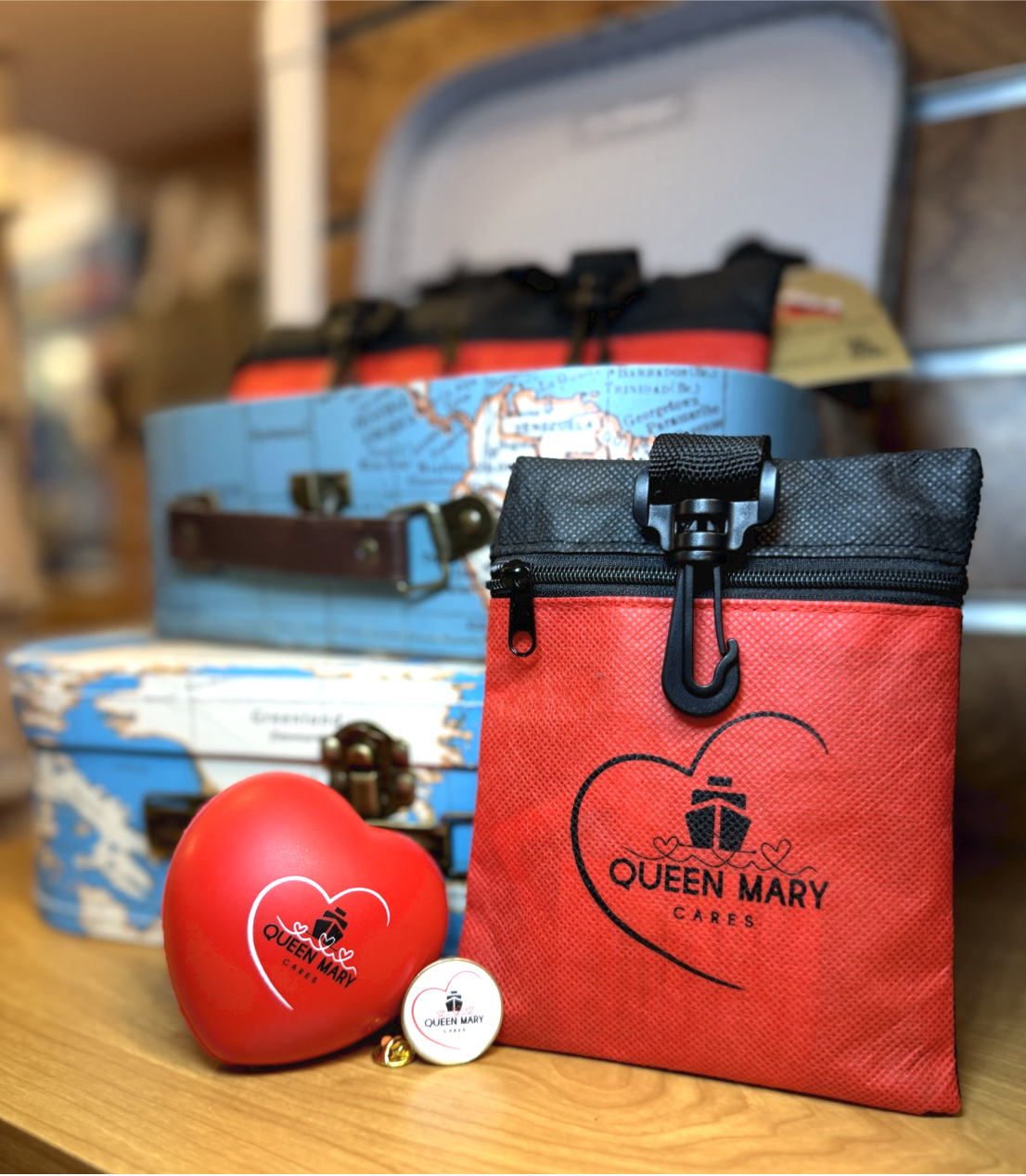
Proceeds Support Initiatives Benefiting Queen Mary Team Members, Local Families and the Greater Long Beach Community. Photo Credit: The Queen Mary.

The Queen Mary in Long Beach is giving guests a new way to support the community. With the launch of its new QM Cares merchandise collection, visitors can help benefit the ship’s Queen Mary Cares initiatives with every purchase, transforming everyday souvenirs into meaningful community impact. Available both aboard the historic ship and online, the collection highlights a year of community outreach through the Queen Mary Cares program while inviting guests to become part of its mission to give back across Southern California.

“Queen Mary Cares is about taking care of the people who make up our Queen Mary family while also finding meaningful ways to give back to the Greater Long Beach community,” said Steve Caloca, managing director of the Queen Mary. “Right now, our team is putting together back-to-school packages, which is just one example of how this program comes to life. From supporting our team members and creating employee events like beach clean-ups, to partnering with local organizations and serving our neighbors, Queen Mary Cares brings all of those efforts together under one shared commitment to making a positive impact.”

The inaugural QM Cares Collection features a foldable duffle bag ($35), first aid kit ($12), commemorative lapel pin ($8), branded lanyard ($10), heart squeezie ($12), branded belt bag ($20), and branded polo ($55). All proceeds from every QM Cares merchandise item sold will support Queen Mary Cares initiatives that make a positive impact throughout the Greater Long Beach community, furthering the program’s commitment to service, connection and giving back.

Over the past year, that mission has taken many forms. Queen Mary Cares has opened the ship’s doors through Community Days and Community Art Days, honored veterans and first responders, welcomed CSULB graduates for a Community Free Day, participated in the Long Beach Pride Parade and local beach cleanups, supported the Ronald McDonald House Walk, hosted a Red Cross blood drive and created programs designed to empower both the community and the Queen Mary’s own team members.

One of the initiative’s most memorable moments came through a partnership with Make-A-Wish®, when the Queen Mary welcomed 15-year-old maritime enthusiast Aedan and his family for a once-in-a-lifetime wish experience. Traveling from Massachusetts after overcoming brain cancer treatment, Aedan spent three days aboard the legendary ocean liner enjoying exclusive behind-the-scenes access, including a private guided tour, an unforgettable four-course dinner in the historic Wheelhouse hosted by Captain James, a private screening in the Queen Mary Theatre, and several experiences designed around his lifelong passion for maritime history.

During the winter season, QM Cares partnered with the Long Beach Rescue Mission to support local families by donating grocery gift cards and more than 300 toys. The Queen Mary also invited guests to participate by collecting new, unwrapped toys throughout the holiday season, helping spread holiday cheer to families across the Long Beach community. As part of the partnership, the Queen Mary team toured the Long Beach Rescue Mission’s new Timothy House, a residence designed to provide housing and support for young men ages 18 to 24 as they transition toward independence.

As QM Cares continues to grow, the Queen Mary remains committed to building meaningful partnerships with nonprofit organizations, supporting causes that strengthen Southern California communities, and creating opportunities for guests to make a positive impact through every visit.

The new QM Cares Collection is available today at the Queen Mary Gift Shop and online store. For more information on the Queen Mary, upcoming events, programming, and more, visit www.queenmary.com/seasonal-events.htm and queenmary.com/whatsondeck, or connect with us on social @TheQueenMary.

Credit: The Queen Mary.

PLAZA MÉXICO’S MERCADO PRESENTS ‘JUEVES DE LOTERÍA’ ( LOTERÍA THURSDAYS) 4:00 pm -6:00 pm *Free*

 We are thrilled to invite you to our weekly “Jueves de Loteria” at Plaza Mexico’s ‘Mercado’.

Join us every Thursday evening from 4:00 pm to 6:00 pm for a fun-filled night of Lotería, the traditional Mexican game that has captured hearts for generations. This event is FREE to play and offers you the chance to win fantastic prizes!

Lotería is a colorful and exciting game, similar to Bingo but with a unique Mexican twist. Players use beautifully illustrated cards featuring traditional Mexican symbols instead of numbers. As the caller announces each card, participants mark the corresponding images on their boards. The first player to complete a predetermined pattern, such as a row or column, and shout “¡Lotería!” wins the round!

Don’t miss out on this fantastic opportunity to experience a beloved Mexican tradition, meet new friends, and try your luck at winning amazing prizes! Bring your family and friends, and let’s have a memorable night!

What To Expect?
• Friendly atmosphere for both experienced players and newcomers
• Prizes for the winners
• Optional snacks and beverages available for purchase at the Mercado
• Mercado restaurants will also be offering special deals during the hours that Lotería is being hosted.
ABOUT:
Throughout 2026, Plaza Mexico will be your go-to spot for programming a variety of events—from lively festivals and artisan markets to kids’ activities, live music, and community celebrations.

VISUALS: Multi-cultural audience, familys, overall good vibes for the entire family.

WHEN: Every Thursday from 4:00 pm to 6:00 pm throughout the months of August & September.
https://www.plazamexico.com/
WHERE: Plaza México
3100 E Imperial Hwy, Lynwood, CA 90262
Entrance + Parking: Free
Bring your lawn chair

Art Installation “Gentle Giants” by Raphaele Cohen-Bacry at Adams Square Mini Park Gas Station  

Rendering of Gentle Giants in Adams Square Mini Park Gas Station by Raphaele Cohen-Bacry

Gentle Giants by Raphaele Cohen-Bacry is on display at the Adams Square Mini Park Gas Station from Monday, July 13 – Friday, October 2, 2026. Gentle Giants presents a gathering of tall, hand-formed characters who share the space with a calm, watchful presence. Each giant stands as part of a loose “family,” connected not by a single story but by a shared spirit. Accompanying the giants are smaller, lighter forms – suggestive of birds – scattered throughout the gas station. Together, the figures and birds create a gentle ecosystem, one that feels alive but unhurried, inviting viewers to pause and take it in. Gentle Giants offers an experience rooted in reassurance and imagination. The exhibit invites children and adults alike to encounter scale with ease, to find friendliness in the unfamiliar, and to see how even the simplest materials can hold a sense of magic.

Gentle Giants is a suspended installation of collaged paper figures all created from black paper and painted fragments. Collage guides Cohen-Bacry’s work as both technique and philosophy – embracing difference, reclaiming discarded materials, and building forms that feel vulnerable yet resilient.

An artist reception will be hosted by the Adams Square Neighborhood Association on Sunday, July 19, 2026, at 11:00 AM. Adams Square Mini Park Gas Station is located at 1020 E. Palmer Ave., Glendale, CA 91205.

This temporary art installation is generously sponsored by the Glendale Arts & Culture Commission, funded by the Urban Art Program, and supported by Glendale Library, Arts & Culture, Glendale Community Services & Parks, and the Adams Hill Neighborhood Association.

About Library, Arts & Culture

Founded in 1907, the Glendale Library, Arts & Culture Department includes eight neighborhood libraries including the Brand Library & Art Center, a regional visual arts and music library and performance venue housed in the historic 1904 mansion of Glendale pioneer Leslie C. Brand, and the Central Library, a 93,000 square foot center for individuals and groups to convene, collaborate and create. The department also serves as the chief liaison to the Glendale Arts and Culture Commission which works to continually transform Glendale into an ever-evolving arts destination. Glendale Library Arts & Culture is supported in part through the efforts of the Glendale Library Arts & Culture Trust (GLACT). For more information visit GlendaleLAC.org, or contact Library, Arts & Culture at 818-548-2021 or via email at LibraryInfo@glendaleca.gov.

About the City of Glendale & the Arts & Culture Commission

Known as the “Jewel City,” Glendale is the fourth largest city of Los Angeles County. With a population of almost 200,000, Glendale is a thriving cosmopolitan city that is rich in history, culturally diverse, and offers nearly 50 public parks & facilities, with easy access to a municipal airport. It is the home to a vibrant business community, with major companies in healthcare, entertainment, manufacturing, retail, and banking. Visit GlendaleCA.gov for more information and follow us on social media @MyGlendale. The mission of the Glendale Arts & Culture Commission is to enrich the human experience, reinforce Glendale’s identity and civic pride through arts and culture, and to recognize the importance of arts to our quality of life and to the local economy. This is accomplished by consciously integrating arts and culture into the daily life of the people of Glendale through urban design, planning, economic development, and education. For more information about the Glendale Arts & Culture Commission see the website: GlendaleArtsAndCulture.org 

@MyglendaleLAC   #MyglendaleLAC   www.GlendaleLAC.org

About Glendale

Known as the “Jewel City,” Glendale is the fourth largest city of Los Angeles County. With a population of almost 200,000, Glendale is a thriving cosmopolitan city that is rich in history, culturally diverse, and offers nearly 50 public parks & facilities, with easy access to a municipal airport. It is the home to a vibrant business community, with major companies in healthcare, entertainment, manufacturing, retail, and banking. Visit GlendaleCA.gov for more information and follow us on social media @MyGlendale.