In the Market for a New Family Car? Consider These 10 Features

When you go shopping for a new family car, you can’t afford to only focus on horsepower and looks. Instead, it’s all about finding the right combination of safety, comfort, and practicality.

It makes sense to get your budget and finances sorted before you start narrowing down your options. Depending on the strength of your credit profile, you might have to search bad credit car dealership Utah, for example, to find a suitable deal that works for you and your circumstances.

Whatever option you need, here’s a look at some of the must-have features to put on your checklist when choosing your next family car.

A range of safety features should be considered a priority

Quite simply, safety is non-negotiable in a family vehicle. That’s why you should look for cars that have features like automatic emergency braking, lane-keeping assist, and blind-spot monitoring.

These driver-assist systems provide an extra layer of protection, helping prevent accidents before they happen, and giving you more peace of mind that you are keeping your family passengers as safe as possible.

A spacious interior is a big plus point

It’s always good to have as much room as you can inside the car, especially with kids in the backseat or growing teens who need extra legroom. A car with a roomy second and third row, if needed, ensures everyone rides comfortably.

Check the entertainment system meets your needs

Keeping kids entertained can be the difference between a peaceful trip and chaos. That’s a strong reason for finding a car with rear-seat entertainment systems that includes screens, built-in apps, or even a separate DVD/Blu-ray player.

Choose upholstery that is easy to clean

A family car can soon get badly soiled as a result of spilled juice, food debris, and all sorts of other items. Bottom line, your seats are going to take a beating, so go for leather or high-quality synthetic materials that are easy to wipe down and resist stains.

You will need a lot of cargo space

The list of items that you need to accommodate is extensive, from strollers, groceries, sports gear, or luggage, a family car needs some serious cargo capacity.

Also, cars with fold-flat rear seats and a hands-free power liftgate are good options as they add flexibility and convenience when loading up.

You will want a rear-view camera

Backing out of tight spots or driveways with kids running around can be stressful and challenging. A standard rear-view camera helps, but a 360-degree surround-view system would be even better as it provides a top-down view of your vehicle, making parking and maneuvering even safer.

A built-in navigation with real-time traffic should be considered essential

Getting to your destination is easier with a built-in GPS that includes real-time traffic updates. While phone apps work too, a dedicated system often has a larger screen and integrates better with your vehicle’s controls.

Tri-zone climate control will keep everyone happy

What’s comfortable for you in the front might not be right for backseat passengers. Tri-zone climate control lets the driver, front passenger, and rear passengers all set their own preferred temperatures. Think about it, no more fighting over the air conditioning.

Insist on a LATCH system

If you’re using car seats, a proper LATCH (Lower Anchors and Tethers for Children) system is a top priority.

Look for good fuel economy or hybrid option

You have financial pressures to deal with as a parent without worrying about each trip to the gas station. As you are likely to do a lot of miles in your family car it makes sense to choose a vehicle with solid fuel efficiency, or even a hybrid or plug-in hybrid option.

Choosing the right family car is not just about matching your seating capacity requirements, it’s about meeting your family’s daily needs and keeping them safe. Keep these features in mind and you’ll be better equipped to find a vehicle that checks all the right boxes.

Public vs. Private Schools: How to Make the Best Decision for Your Kids

Choosing the right school for your children is one of the most significant decisions parents face. The debate between public and private schools is a long-standing one, with advocates for both sides presenting compelling arguments. The educational landscape in the United States is vast, offering parents a variety of options to consider, including Utah private schools that are known for their high-quality education and unique learning experiences. This article offers some insights into the factors that parents should consider when deciding between public and private schools, aiming to provide guidance on how to make the best decision for your kids.

Understanding the Differences Between Public and Private Schools

The primary distinction between public and private schools lies in their funding and governance. Public schools are funded by tax dollars and are governed by federal, state, and local authorities, which can lead to standardized curricula and regulations. In contrast, private schools are independently funded, usually through tuition and donations, which allows them greater flexibility in designing their curriculum and educational philosophy. Here are some key differences to consider:

Curriculum: Public schools typically adhere to a standardized curriculum set by the state, whereas private schools can tailor their curriculum to their educational mission.

● Class Size: Private schools often have smaller class sizes, which can lead to more individualized attention for students. Utah private schools are known for maintaining low student-to-teacher ratios, fostering a more personalized learning environment.

Teacher Qualifications: Although both public and private schools require teachers to be licensed, private schools may have more flexibility in hiring teachers with specialized skills or qualifications that align with their educational philosophy.

Resources and Facilities: Public schools are generally funded by the government, which can limit their resources. Private schools, particularly those with substantial endowments, can invest more in state-of-the-art facilities and extracurricular programs.

School Atmosphere: The atmosphere of a school can be influenced by its size, funding, and mission. Utah private schools often create a community feel with a strong sense of belonging and shared values among students, parents, and educators.

Assessing Your Child’s Needs and Preferences

When making the decision, it is crucial to consider your child’s unique requirements and interests. Some factors to evaluate include:

Academic Performance: If your child excels in a particular subject or has special learning needs, a private school might offer advanced courses or personalized support that a public school cannot.

Social and Emotional Development: The smaller class sizes in private schools can provide a more intimate setting where your child may feel more comfortable and supported, which is essential for their social and emotional growth.

Extracurricular Activities: Some children thrive with a broad range of extracurricular options, which might be more readily available at private institutions.

Religious or Philosophical Alignment: If you want your child’s education to be aligned with specific religious or philosophical beliefs, a private school may offer a more tailored experience.

College Preparation: Some private schools have a reputation for preparing students for college admission and provide more extensive college counseling services.

In Utah, private schools are known for offering diverse educational experiences that cater to a wide range of student needs. From Montessori to Waldorf, and religiously-affiliated to specialized schools for the arts or sciences, parents have a plethora of choices to match their child’s individual learning style and aspirations.

Comparing Costs and Financial Aid Opportunities

While public schools are free to attend, private schools come with a tuition fee, which can vary widely. However, do not let the sticker price deter you, as many private schools offer financial aid and scholarships that can make the cost more manageable.

Tuition: Research the cost of tuition for the private schools you are considering. In Utah, private school tuition ranges from a few thousand dollars to over $20,000 annually.

Financial Aid: Determine if the schools offer need-based or merit-based financial aid and what the application process entails.

Additional Fees: Consider additional costs such as uniforms, textbooks, and extracurricular activities that may not be included in the tuition.

Long-Term Investment: While private school education is an immediate financial commitment, it can also be seen as an investment in your child’s future success, potentially leading to better college opportunities and job prospects.

Evaluating School Performance and Reputation

The last thing you want to do is pay for a private education only to find that the school is not performing well or that its reputation is lacking. Here are some considerations to help you evaluate any private school you’re considering for your children’s education.

Academic Results: Examine the standardized test scores and college acceptance rates of both public and private schools in your area to gauge their academic performance.

Reputation: Talk to other parents, read reviews, and consider the school’s history and reputation within the community.

School Culture: Visit the schools to assess the culture and whether it aligns with your family’s values and expectations.

Alumni Success: Look into the success of the schools’ graduates to gauge the quality of the education provided.

The decision between public and private schools is a personal one that hinges on your family’s values, financial situation, and the individual needs of your children. Both types of institutions have their merits, and what is right for one family may not be the best choice for another. By understanding the differences between public and private schools, assessing your child’s specific needs, and evaluating the costs and performance of the schools you are considering, you can make an informed decision that will set your kids on the path to success.

When considering Utah private schools, remember that they offer a wide range of educational experiences and often prioritize a close-knit community atmosphere. Whether you are looking for a religious education, an academically rigorous curriculum, or a specialized program that nurtures your child’s unique talents, there is likely a private school in Utah that fits your family’s goals.

In conclusion, take the time to thoroughly research your options, visit the schools, and involve your child in the decision-making process. By doing so, you will be better equipped to make the best choice for your child’s educational journey. The right school can make a world of difference in their academic achievements and overall well-being, so it is essential to approach this choice with care and deliberation.

Two new penguins make a splash at the Aquarium of the Pacific

Photo Credit:  Robin Riggs. Photo of  Milo.

The Aquarium of the Pacific is welcoming two new Magellanic penguins—Inca and Milo. The public can now see them in the June Keyes Penguin Habitat. The new penguins came from two Association of Zoos and Aquariums (AZA) accredited facilities. The Aquarium of the Pacific participates in the AZA Species Survival Program (SSP) for Magellanic penguins.

Inca is an eleven-year-old penguin, who is a voracious eater. She is currently outeating all her fellow penguins, who are all fed restaurant-quality herring, capelin, and on rare occasion, squid. Milo is a five-year-old penguin with a calm demeanor. He has already started preening (grooming) his fellow penguins, which is a natural behavior done to preserve their body heat. “We are thrilled to welcome these new penguins into their new home! They represent our commitment to maintaining diverse genetics and well-managed populations,” said Megan Smylie, Aquarium of the Pacific assistant curator/sea otter program manager.

These medium-sized penguins are a temperate species native to the coasts of Argentina and Chile in South America. In addition to viewing them in person at the June Keyes Penguin Habitat, the public can also see the new penguins on live webcams by visiting the Aquarium’s website. The Penguin Cam is brought to us courtesy of explore.org, the philanthropic media organization and division of the Annenberg Foundation.

Photo of Inca. Photo Credit: Robin Riggs.

Credit: The Aquarium of the Pacific.

A Parent’s Guide to Striking the Right Balance When It Comes to Screen Time

Navigating screen time as a parent can feel like walking a tightrope. On one hand, digital tools open the door to endless learning opportunities and creative outlets. On the other, too much screen exposure can impact everything from sleep to social development. The key is not in eliminating screens altogether but in finding a sustainable balance that supports your child’s growth.

This guide will walk you through how to approach screen time with intention, especially for children in the 4–7-year-old range, where early habits can have long-lasting effects.

Why Screen Time Needs Your Attention

Screens are a part of everyday life. From tablets and educational apps to family movie nights and video calls with grandparents, they’re not inherently bad. But when screen time replaces essential real-world experiences, such as physical play, family conversations, or quiet time, it can affect your child’s emotional regulation, attention span, and even academic performance.

Research suggests that unstructured, passive screen time (like binge-watching shows) offers far fewer benefits than interactive or co-viewed experiences. The challenge for parents isn’t just about counting hours, but it’s about making those hours count.

Understanding What Counts as “Screen Time”

Not all screen time is created equal. Educational apps that encourage problem-solving or story comprehension are more beneficial than watching fast-paced cartoons or aimlessly scrolling through videos. As a parent, it’s essential to:

  • Distinguish active from passive use
  • Consider the purpose behind the screen time
  • Prioritise co-engagement whenever possible

For example, sitting with your child while they use a learning app or watch a documentary fosters dialogue, critical thinking, and emotional connection.

How Much is Too Much?

There’s no one-size-fits-all rule, but age-based recommendations can offer helpful guidance. Younger children generally require more physical activity, social interaction, and rest, which are factors that too much screen time can disrupt.

If you’re unsure what the benchmarks are for your child’s age group, this recommended screen time by age guide provides a useful breakdown and practical ideas on balancing screen time with enriching offline experiences.

By focusing on high-quality and age-appropriate content, you can better support your child’s cognitive, emotional, and physical development, even in a tech-savvy world.

Signs You Might Be Off Balance

Watch out for these indicators that your child’s screen time might be tipping too far in the wrong direction:

  • Mood swings after device use
  • Resistance to turning off screens
  • Less interest in non-digital play
  • Struggles with sleep routines

If you notice any of these, it may be time to re-evaluate and create clearer boundaries.

Tips for Creating a Healthy Digital Routine

Establishing a clear framework around technology doesn’t have to feel restrictive. Here are some ideas to help you set your family up for screen success:

  • Create screen-free zones and times, such as during meals or before bedtime.
  • Use timers or visual aids to help young children understand limits.
  • Balance digital activities with physical play, outdoor time, and reading.
  • Model healthy screen habits yourself because children notice more than we think.

Let your child help create the plan. When they’re involved in setting the rules, they’re more likely to understand and respect them.

Turning Screen Time into Bonding Time

Whenever possible, treat screen time as a shared experience. Whether it’s playing a co-op video game, watching a nature documentary, or exploring a museum app, these moments can become opportunities for learning, laughter, and connection.

Ask questions. Encourage curiosity. And remember that your presence is what elevates a digital activity into a developmental opportunity.

Final Thought

Screens aren’t going anywhere, but with the right approach, they don’t have to be a source of stress. Instead, they can be another tool in your parenting toolkit, one that’s used with care, balance, and intention. By focusing on age-appropriate content, modeling good habits, and being present, you’re helping your child build a healthier relationship with technology that can last a lifetime.

Shadow Dancing or Silent Disco for Seniors With Hearing Loss

Dancing without loudspeakers may sound odd, yet growing numbers of senior living communities invite residents to slip on wireless headphones and move together in near silence. Called “shadow dancing” or “silent disco,” these gatherings swap booming stereos for headsets, letting each participant adjust the volume or simply feel the beat through light vibrations while chatting between songs.

For older adults who cherish music but juggle hearing loss, this quiet twist on ballroom fun keeps them active, sociable, and confident without the strain of booming noise.

A New Way To Feel The Music

Traditional dance nights often overpower sensitive ears, and turning the speakers down can sap energy. With silent-disco gear, volunteers hand out lightweight cordless headphones, all tuned to the same playlist. Gentle bass pads let dancers sense rhythm through subtle pulses, turning each step into a friendly echo they feel as well as hear.

Because sound stays inside the headsets, staff keep lighting soft and cozy, giving shy movers freedom to experiment at their own pace.

Keeping Conversations Flowing

A hidden bonus of shadow dancing is the way it rescues conversation. At most parties, friends shout over a band and strain to read lips. Here, removing or tilting back one earcup lets partners speak in gentle tones, catch facial cues, and gesture freely without background roar.

That freedom helps seniors using hearing aids save battery power and reduces listening fatigue, making the night as much about laughter as footwork. Visiting family can share a favorite tune and then chat about shared memories while the playlist keeps rolling quietly in the background.

Building Confidence And Balance

Many elders give up dancing because they fear falling or appearing awkward. Silent disco sessions start with slow, familiar songs so everyone can reconnect with simple steps and rebuild trust in their bodies. Since no one else hears your exact mix, missteps feel private, easing self-consciousness.

Moving in rhythm strengthens legs, hips, and core muscles, promoting steadier walking the next day. Leaders often weave in seated-dance options, allowing wheelchair users to roll, tap, and sway beside standing partners, proving that movement really is for everyone.

Easy Planning, Big Smiles

Hosting a shadow dance is simpler than booking a live band. A tablet, a pocket-size transmitter, and a set of rechargeable headsets can create a full event in minutes. The gear travels easily, so organizers bring the party to courtyards or recreation rooms without wrestling heavy amplifiers.

Neighbors just outside the doors remain undisturbed, letting gatherings run longer or pop up during traditional quiet hours. Minimal setup costs translate into more frequent sessions, turning an ordinary weekday afternoon into a celebration of music, motion, and community spirit.

Conclusion

Silent disco shows that joy does not need to be loud. By wrapping each dancer in a private bubble of melody yet leaving space for real conversation, shadow dancing transforms seniors’ hearing challenges into an invitation to move, laugh freely, dance, connect, and celebrate the songs that shaped a lifetime—together.

Summer at the California Science Center

California Science Center

The California Science Center offers many options for family-friendly fun and learning throughout the summer, with free general admission, multiple IMAX movies, and new and returning exhibitions. Selected highlights include:

GAME ON! Science, Sports & Play: FREE

Brand new GAME ON! Science, Sports & Play highlights the powerful connection between science, sports and play through a multitude of interactive experiences that help visitors to understand the scientific principles behind sports, empowering athletes at all levels to improve performance, prioritize wellness and play safer.

The exhibition has over 25 interactive experiences offering hands-on activities and virtual guidance via video from a well-loved team of Los Angeles-based mentor athletes. Interactive activities available include: baseball hitting, softball reaction times, basketball shooting and dribbling, soccer, yoga, dance, swimming, and board sports, among others.

Dogs! A Science Tail: FREE

Returning to the California Science Center for a limited engagement before the next stop on its international tour, this popular exhibition explores the bond between humans and dogs. Through immersive, multisensory and highly interactive experiences, guests will learn first-hand the extraordinary way that dogs see, hear and smell the world.

Ecosystems: FREE, highlights include:

  • The giant Kelp Forest where guests can join a Q&A session with a diver to learn more about these underwater forests and the animals that live there.
  • The Rocky Shore includes a touch tank where visitors discover how sea life survive harsh conditions and can touch a creature or two.
  • The Desert with live animals including desert tortoises, scorpions, fennec foxes, among others.

Additional zones in the Ecosystems gallery include PolesDeep-Sea VentsIsland ZoneRiver ZoneL.A. Zone, and Global Zone – all with interactive elements to explore.

World of Life: FREE, includes:

  • Life! Beginnings with hands-on exhibits showing how living things grow, develop, and survive.
  • Bodyworks Theater where guests meet Tess, the 50-foot human body simulator in a show full of animatronics, animation, and special effects.

Fire! Science & Safety: FREE, includes:

  • Guests can explore how to make families, pets and homes safer from fire and burn hazards.
  • Hands-on interactives to investigate the science of fire and learn how to prevent or stop fire and burns, including practicing fire fighting skills with a fire extinguisher and kitchen safety tips among others.

Goose Bumps! The Science of Fear: FREE, includes:

  • An exploration of the universal emotion that can save lives through fun, interactive challenges where guests can experience common fears (such as  animals, electric shock, loud noises, and falling) in a safe environment and discover the science behind our physical and emotional responses.

Endeavour Together: Parts and People: FREE, includes:

  • While Space Shuttle Endeavour is off exhibit during the construction of its new home, the Samuel Oschin Air and Space Center, guests can explore artifacts from Endeavour and the external tank.
  • Endeavour Together celebrates the space shuttle program and the people who helped make it possible, highlighting the strong ties to California, including a dramatic video showing Endeavour’s move across Los Angeles among other images and videos.

AT HOME

If you can’t join us in person this summer, there are FREE virtual field trips for K-5th grade found on the website here; and a guide to science activities that can be safely performed at home, here.

IMAX

There are four movies currently available in the IMAX Theater for a fee. Now showing on our 7-story screen are: Superhuman Body 3D, a journey into the world of medical marvels and an exploration into the extraordinary ways our bodies work; Blue Whales 3D, which takes viewers on a journey to learn about the largest animal ever to have lived; The Blue Angels 3Dfeaturing never-before-seen footage that chronicles a year with the Navy’s elite Flight Demonstration Squadron; and Antarctica 3D, which takes audiences to the farthest reaches of this wild and majestic continent. It is the coldest, driest and windiest place on Earth with the roughest oceans and yet, weird and wonderful creatures thrive here in astounding abundance.

SHOP

The ExploraStore, located on the main floor of the Science Center, offers a wide range of gifts to suit every budget and every explorer. Some of the more popular items this year include a special collection of Dogs! exhibit-themed merchandise that includes adult and youth apparel, as well as Husky, German Shepherd and Golden Lab plushies alongside other unique toys. The ExploraStore also offers the convenience to purchase items online here. All proceeds from the store go to support the California Science Center Foundation, a Non-Profit California Corporation.

For additional experiences and further information visit the website at www.californiasciencecenter.org

Credit: California Science Center.

Celebrate Summer Reading and Support Glendale Library, Arts & Culture with a Custom Tote Designed by Artist Asher Bingham

This summer, Glendale Library, Arts & Culture invites readers of all ages to take part in the Summer Reading Challenge, a seasonal celebration of books, creativity, and community. When you sign up at any of the eight neighborhood library branches, you’ll receive a FREE limited-edition tote bag designed by Los Angeles-based artist Asher Bingham. Totes are available while supplies last.

The custom tote features detailed illustrations of the eight library branches, the beloved Bookmobile, and the Beyond the Box public art utility boxes. Each illustration represents the  unique neighborhoods and cultural landmarks that define the Glendale community. Created by Bingham, whose compassionate artistry became widely recognized after the January 2025  Eaton and Palisades fires by offering free, hand-drawn portraits of lost homes to affected families. The tote is both a functional keepsake and a visual tribute to local resilience.

Through partnerships with artists, public art programs, and community-centered events like the Summer Reading Challenge, the City of Glendale’s Arts and Culture Commission continues to shape Glendale into a thriving cultural destination within Southern California.

WHEN: 

The Summer Reading Challenge is happening now through August 9, 2025.

WHERE: 

Any of the eight Glendale neighborhood library branches 

MORE INFORMATION:

For more information about the summer reading program, please visit eglendalelac.org/summerreading.

Credit:  Library, Arts & Culture and City of Glendale & its Arts and Culture Commission.

Fish rescued after the Palisades Fire return to their home in the Santa Monica Mountains

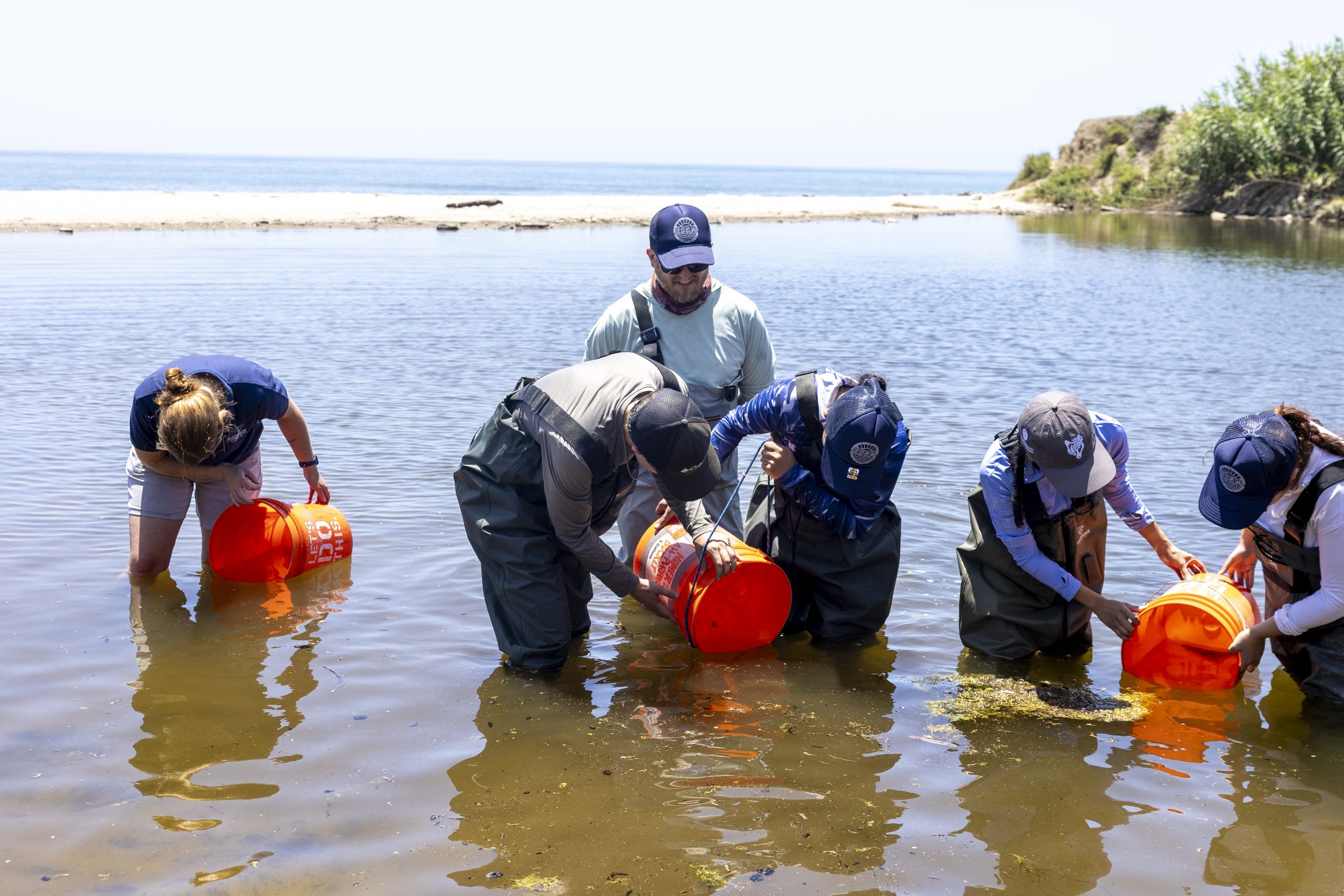
Northern tidewater gobies release at Topanga Lagoon on June 17, 2025. Photo Credit: Robin Riggs/Aquarium of the Pacific.

After five months of receiving care at the Aquarium of the Pacific and Heal the Bay Aquarium, a group of rescued northern tidewater gobies has returned to the wild in the Santa Monica Mountains.

Biologists rescued the tidewater gobies in January 2025 from one of their few remaining natural habitats in the Topanga Canyon Lagoon after the Palisades Fire consumed their habitat. This effort was a collaborative endeavor involving California State University, Channel Islands (CSUCI), the Resource Conservation District of the Santa Monica Mountains (RCDSMM), the U.S. Fish and Wildlife Service, U.S. Geological Survey, and California State Parks. The two aquariums each took in these fish to temporarily house them as runoff from the fire had heavily impacted their habitat in the wild.

The ecological role tidewater gobies serve in their environment is similar to that of a keystone species. Their presence or absence can signal the health of the entire system, including coastal food webs and lagoon habitats. They help regulate the invertebrate population, including mosquito larvae, while serving as prey for native birds and large fish. Tidewater gobies live in small groups spread across many lagoons along the coast. These groups are semi-connected, so if one lagoon becomes unsuitable—such as when debris, ash, and sediment wash in after a wildfire—gobies from nearby lagoons can move in and recolonize once conditions improve. Since there were limited sites nearby for natural recolonization near Topanga Canyon after the Palisades Fire, biologists stepped in to help relocate and reintroduce gobies to support the recovery of local populations. 

Although the Topanga Lagoon habitat has been significantly impacted by sedimentation from the fire, sufficient habitat is now available, allowing these hardy fish to be safely returned to their natural habitat. Their return to Topanga Lagoon is significant because it supported the healthiest and most consistently abundant northern tidewater goby population in Los Angeles County until the Palisades Fire broke out. Not only is their return important for their local recovery, but their genetic traits may also be preserved so they can adapt to warmer, more variable conditions. Monitoring to ensure their survival will continue led by the RCDSMM and CSUCI students and faculty.

Saving these important fish was made possible through a collaboration with Aquarium of the Pacific; California State Parks; California State University, Channel Islands; the Los Angeles County Department of Beaches and Harbors; Los Angeles County Lifeguards; Heal the Bay Aquarium; Santa Monica College; the Resource Conservation District of the Santa Monica Mountains; and U.S. Fish and Wildlife Service. Emergency funding provided by USC Sea Grant and Los Angeles County Supervisor Lindsay Horvath, as well as donations of over $43,000 from fifty contributors, supported this effort. Additionally, the Aquarium of the Pacific’s Marine Conservation Research Institute provided funding to assist with the care of these gobies.

Credit: The Aquarium of the Pacific.